Context for MONUMENT
The History
The events behind the voices. The lives beyond the dates.
Testimony · Place · Memory
A country changed.
Lives carried forward.
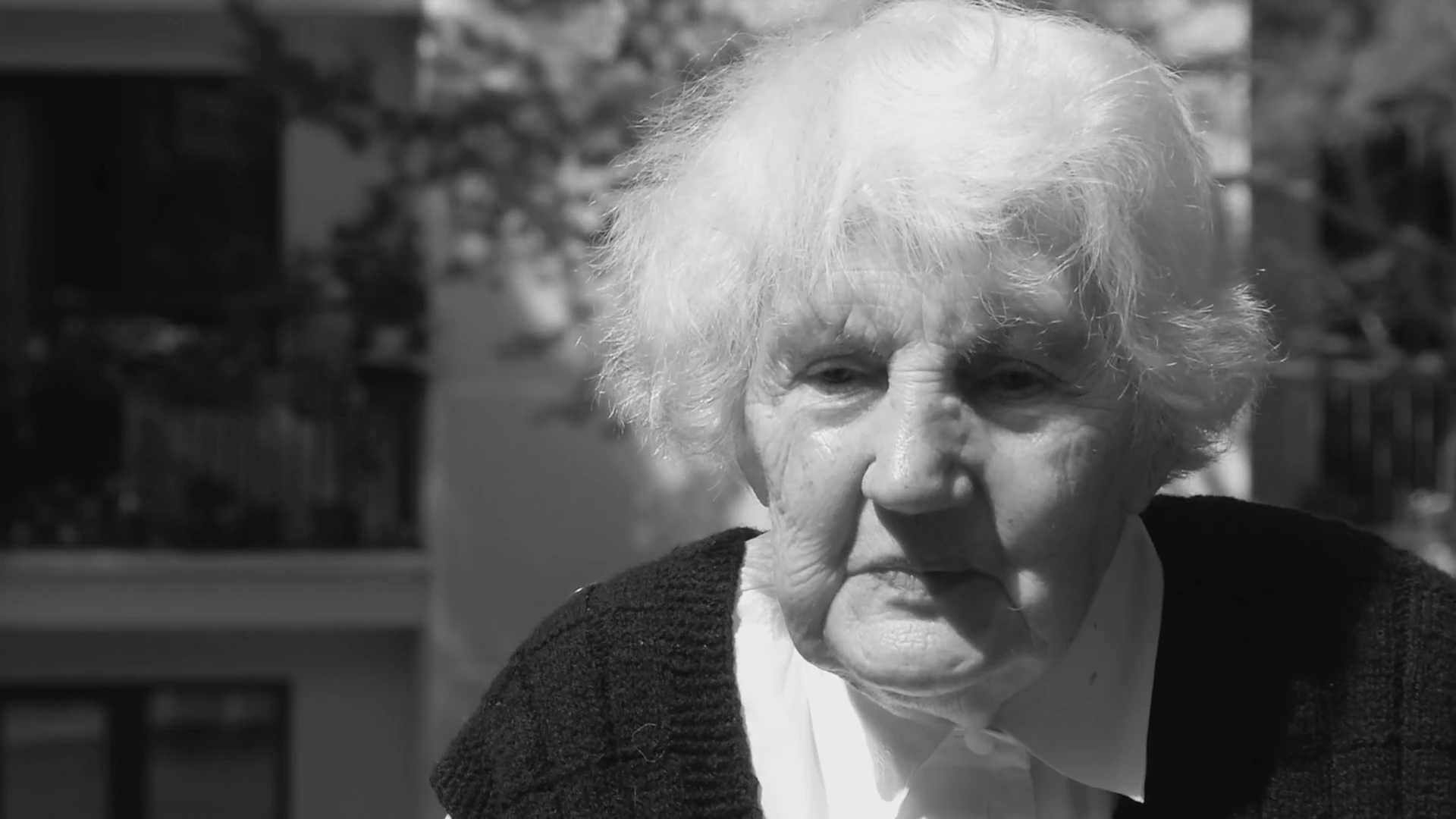
MONUMENT follows six Lithuanian returnees through recollections of childhood, deportation, exile and the difficult meaning of coming home. Their accounts give the history a human scale: a railway platform, a family photograph, a room remembered after many years.
The dates below provide context for those voices. The images come from the film itself, including the archival material it presents. Together, they invite us to look at the distance between a historical event and the life of a person who experienced it.
A chronology at a glance
1940
Occupation
1941
Deportation
1944–1953
Renewed repression
1950s onward
Release & return
1990
Independence restored
Selected periods; the experiences of individual families often crossed these boundaries.
The journey into exile
Distance became
part of the sentence.
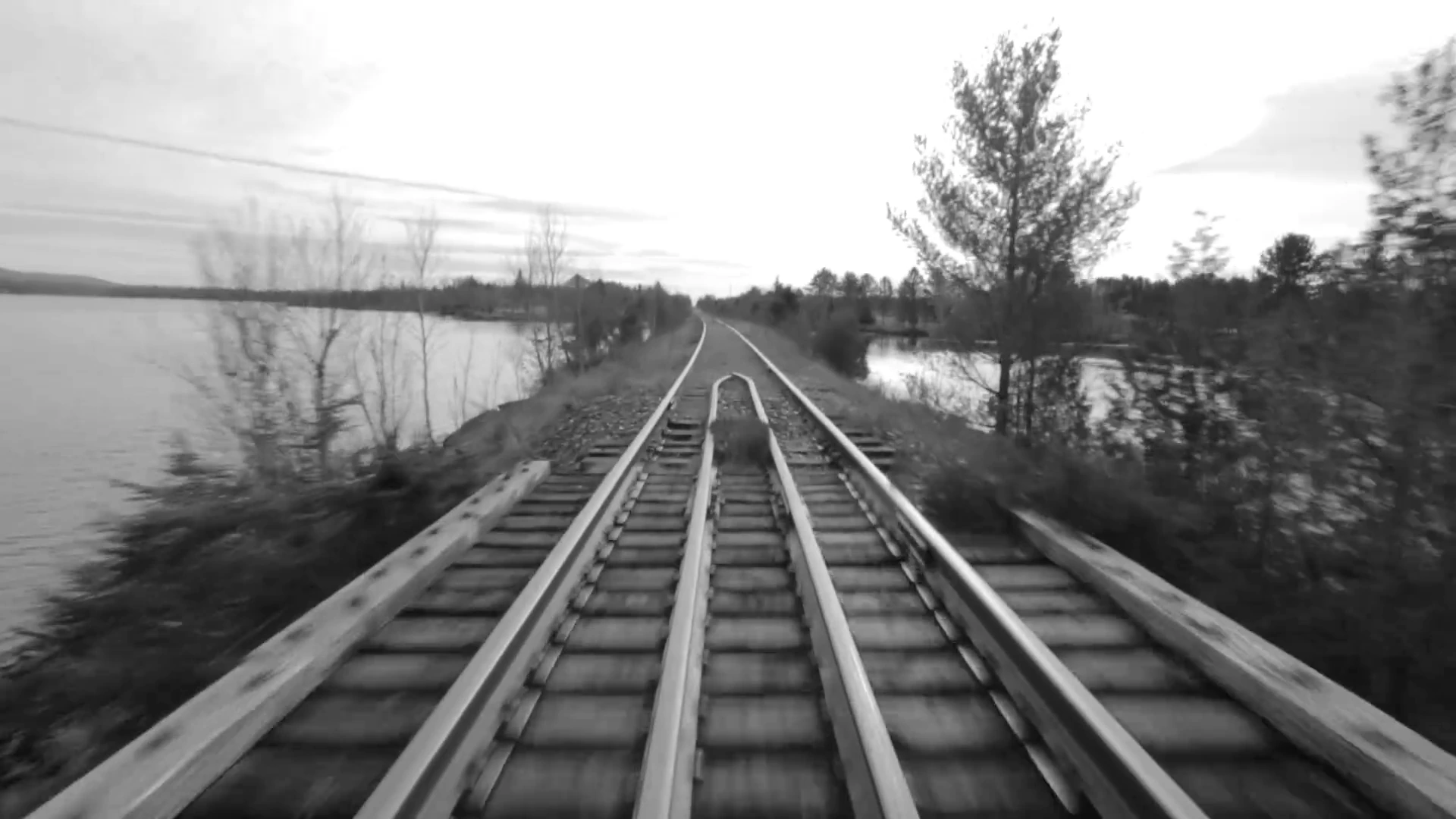
The June 1941 operation separated families and sent people to different parts of the Soviet Union. The International Commission distinguishes forced settlement from imprisonment; the words describe related, but different, experiences. Read the historical source.
01
Home
People were selected for removal through administrative decisions and political categories.
02
Forced transport
Families were taken to collection points and trains. Many heads of households were separated from relatives.
03
Different destinations
Prison camps and places of forced settlement imposed different forms of confinement.
A simplified overview of the process, not a map of any one participant’s route.
Occupation, exile and return
Dates that shaped lives.
A timeline is a way into the history. Testimony reveals what dates alone cannot hold: separation, uncertainty, loss and the work of rebuilding a life.
01
15 June 1940
Soviet occupation
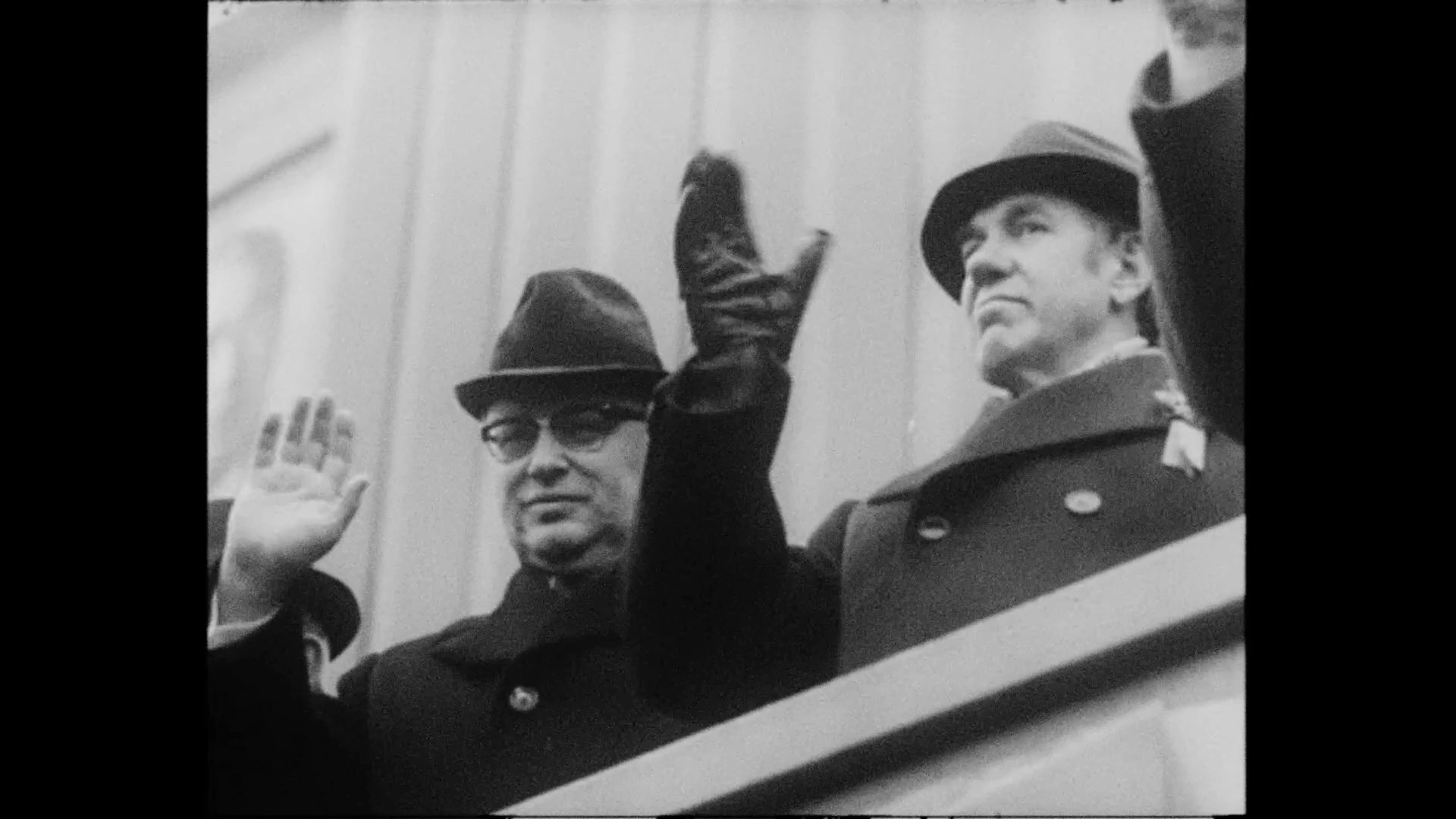
Soviet forces occupied Lithuania. The takeover dismantled the institutions of the independent state and established the setting for political repression.
02
14–18 June 1941
Families removed from home
A mass deportation operation sent thousands of Lithuanian residents into exile and imprisonment. Those affected included children and people from Lithuanian, Jewish and Polish communities.
03
1941–1944
Nazi occupation and the Holocaust
German killing units and Lithuanian collaborators murdered Jewish communities across Lithuania. The Holocaust destroyed families and communities whose histories also belong to the places seen in the film.
04
1944–1953
A second Soviet occupation
The return of Soviet rule brought renewed repression. Deportation targeted families associated with resistance, as well as other groups defined as enemies by the authorities.
05
1948–1951
Mass deportations and collectivisation
Large deportation operations accompanied the drive to collectivise agriculture. Farming families and people accused of supporting resistance were among those forcibly removed.
06
1954–1958
Release did not mean restoration
Restrictions eased unevenly. Release from exile did not automatically restore confiscated property or permit a return to Lithuania; many people never came back.
07
11 March 1990
Independence restored
Lithuania adopted the Act on the Re-establishment of the State of Lithuania. The act marked a decisive political break after decades of Soviet occupation.
08
13 January 1991
Freedom under attack
Soviet troops attacked broadcasting facilities in Vilnius. Civilians defending Lithuania’s independence were killed and injured; the events remain central to the country’s remembrance of restored freedom.
Returning to a place
A room. A doorway.
A memory that remains.
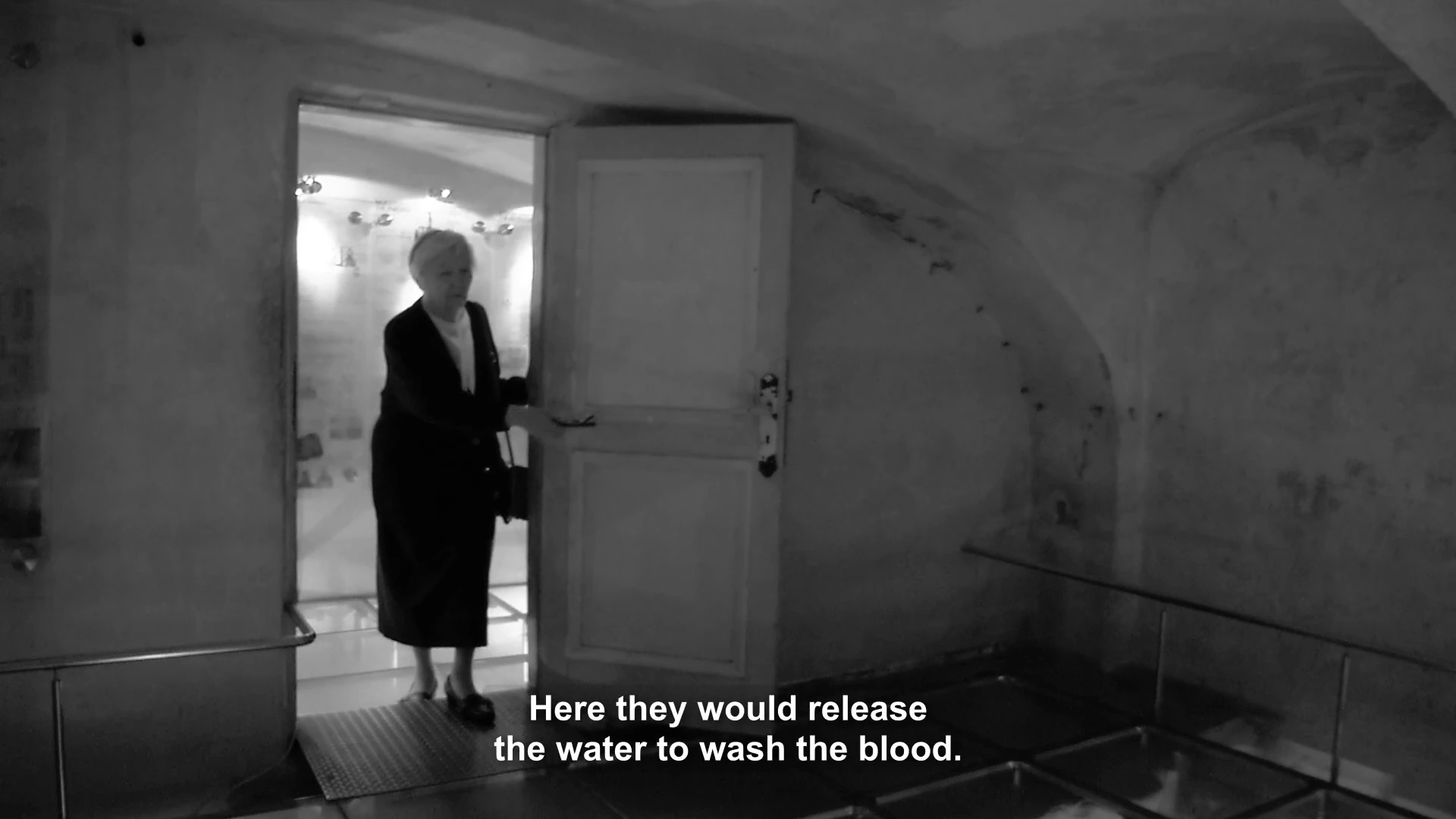
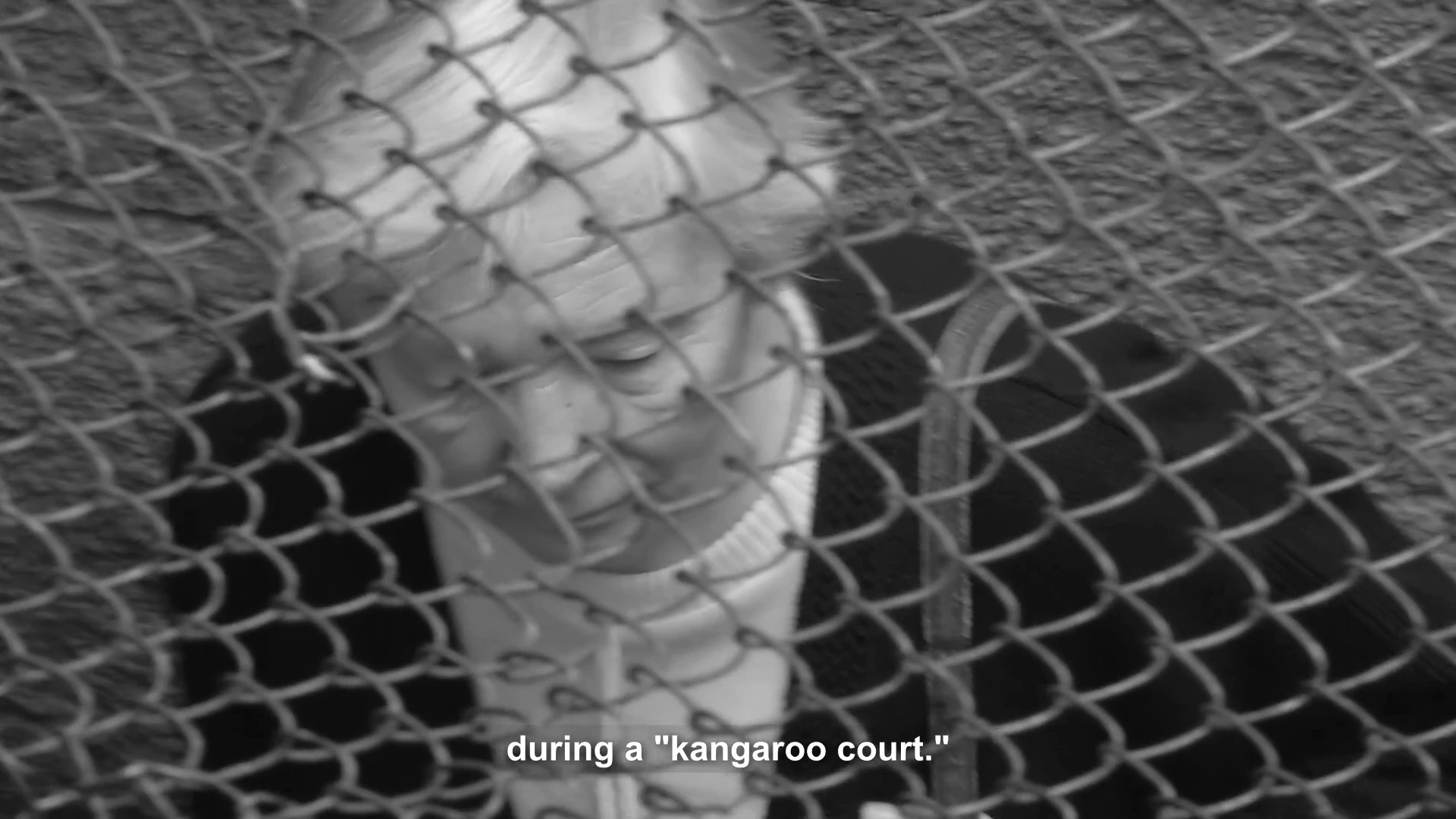
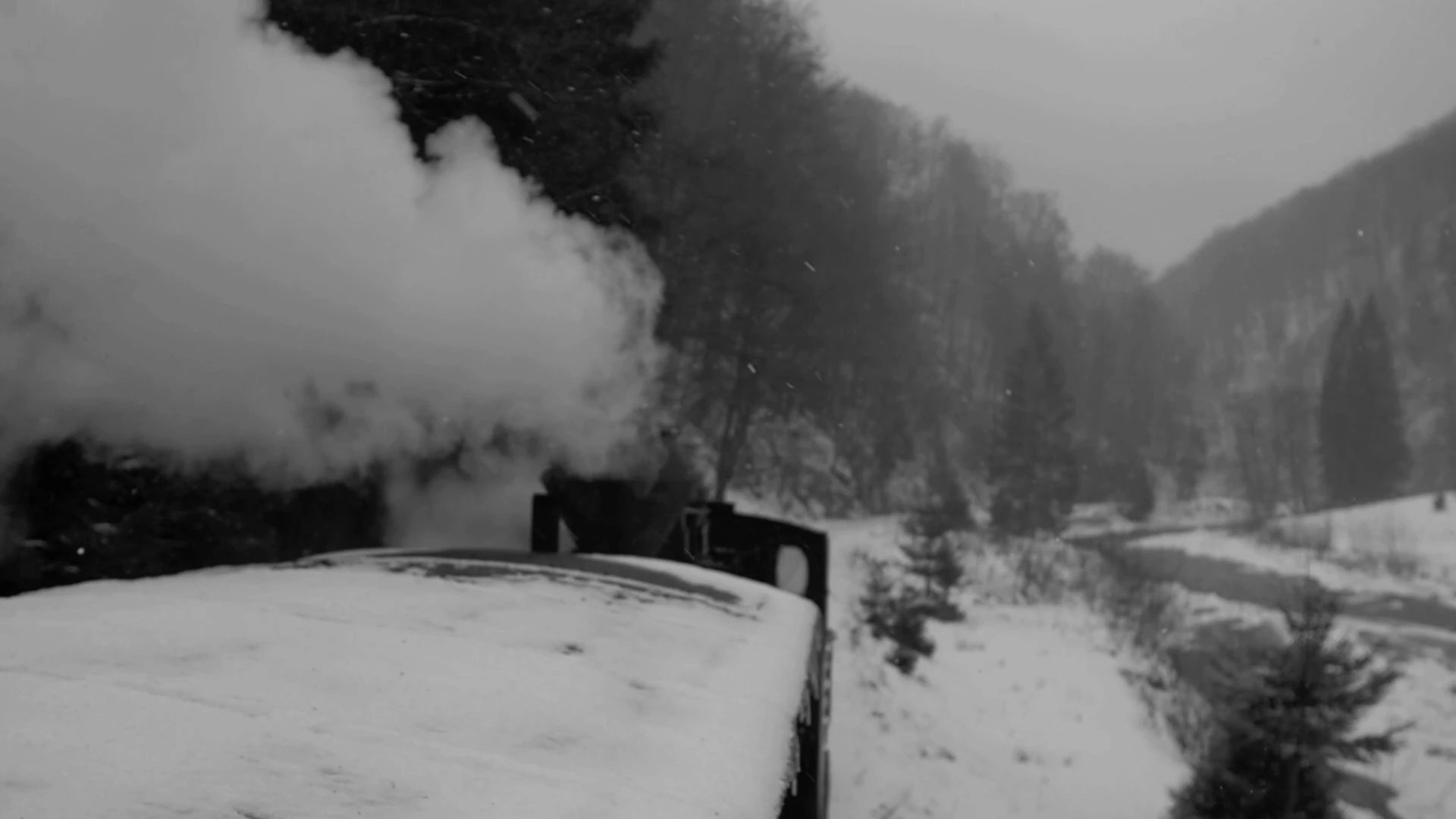
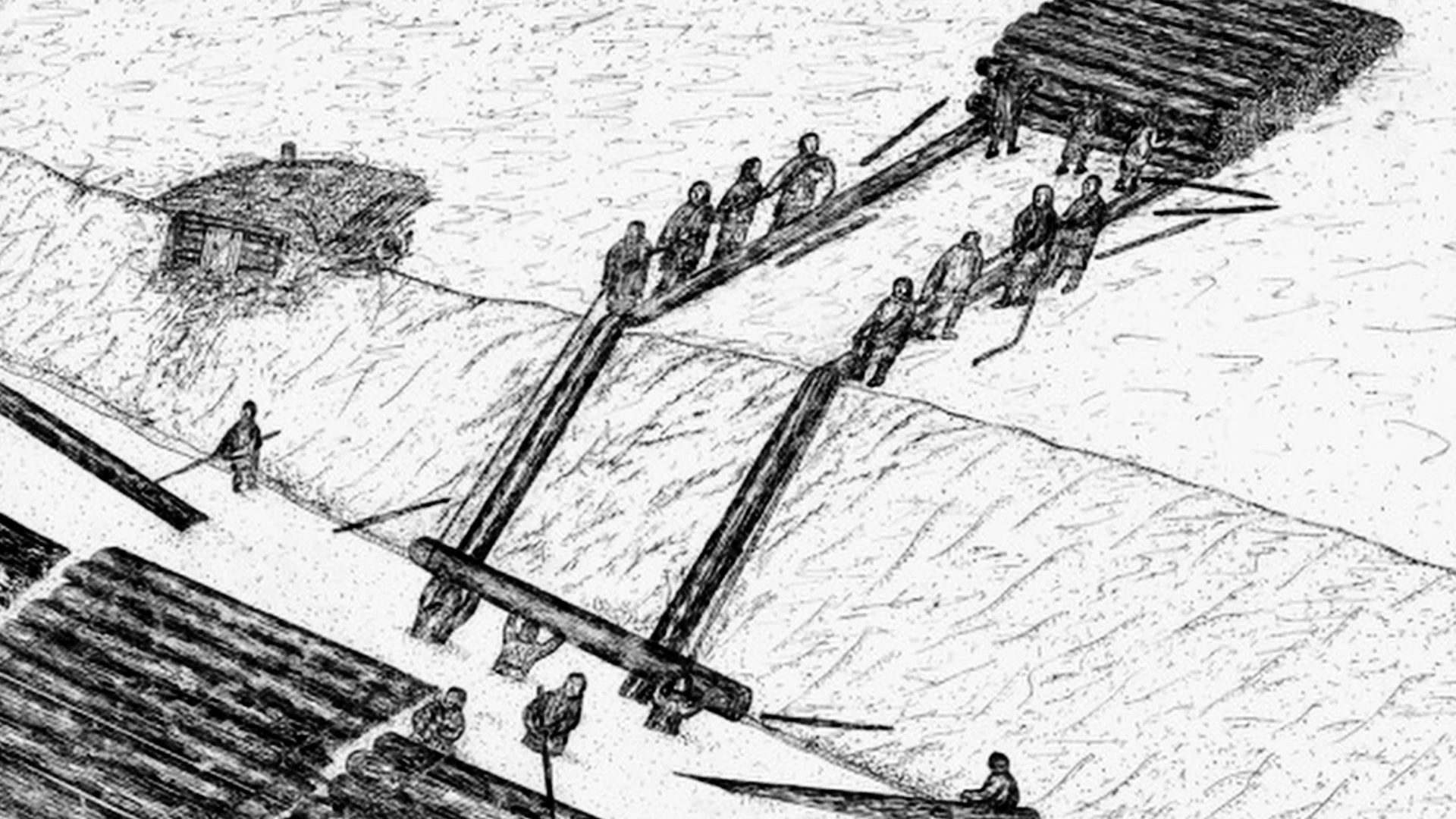
In MONUMENT, the past is also encountered through physical places. A woman stands in a doorway; another face is seen through wire. The camera stays close to the act of remembering. These frames retain the English subtitles that accompany the testimony in the film.
Understanding the terms
Exile.
Imprisonment.
Everyday survival.
Exile could mean compulsory residence in a remote settlement under official supervision. Imprisonment meant detention in a prison or camp. These forms of repression should not be treated as identical. Read the historical source.
Postwar deportees faced restrictions on movement and compulsory labour in forestry, mining, construction and agriculture. Daily survival unfolded within these systems of control. Read the historical source.
MONUMENT brings attention back to the people inside this history. In a face, a pause or a remembered detail, the film asks the viewer to listen beyond an official category.
Names, places and remembrance
A name is more
than a number.
The film pauses at a Jewish memorial and the small stones bearing names at its base. These images make remembrance tangible: an inscription, a name, a gesture of care.
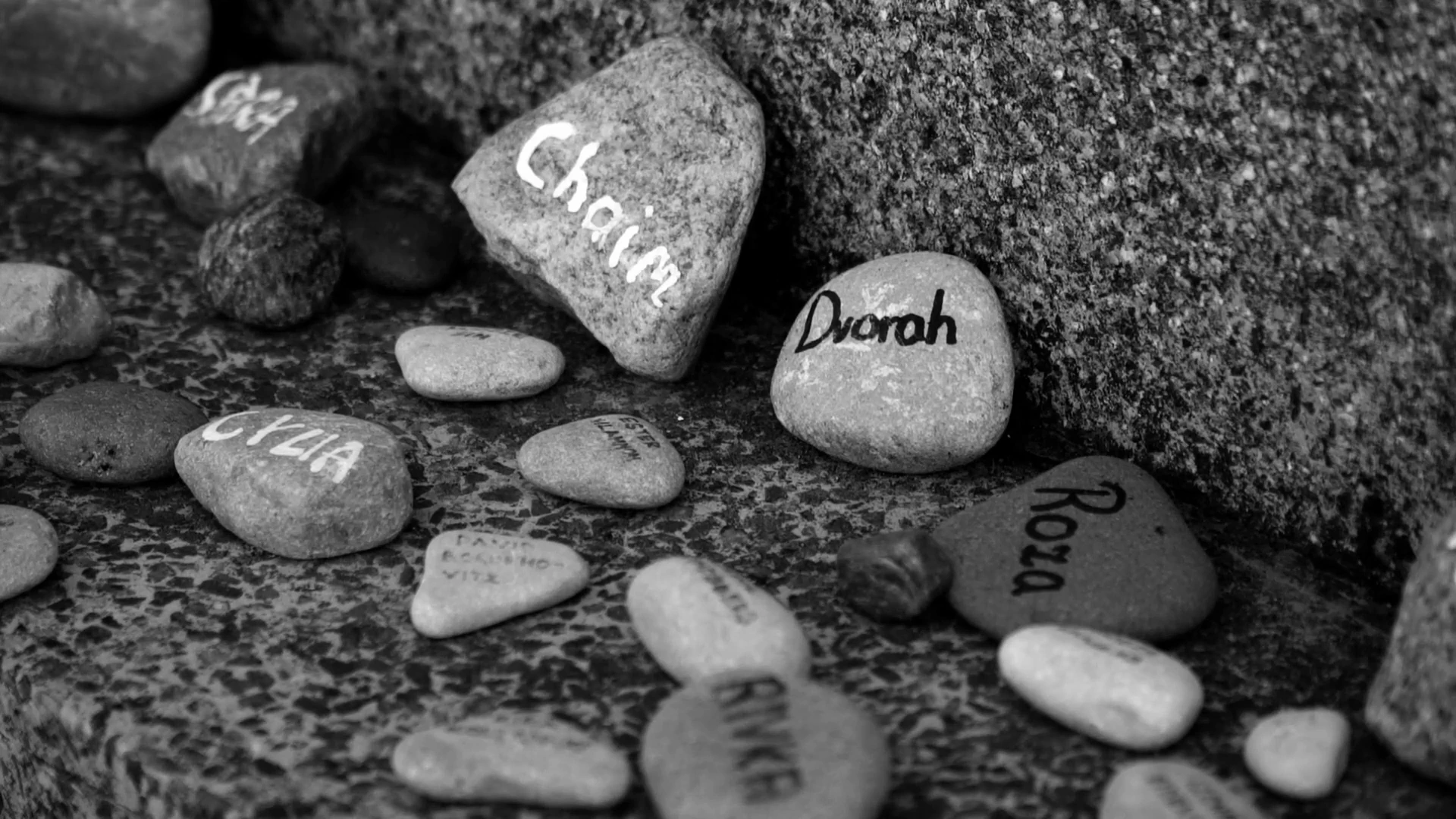
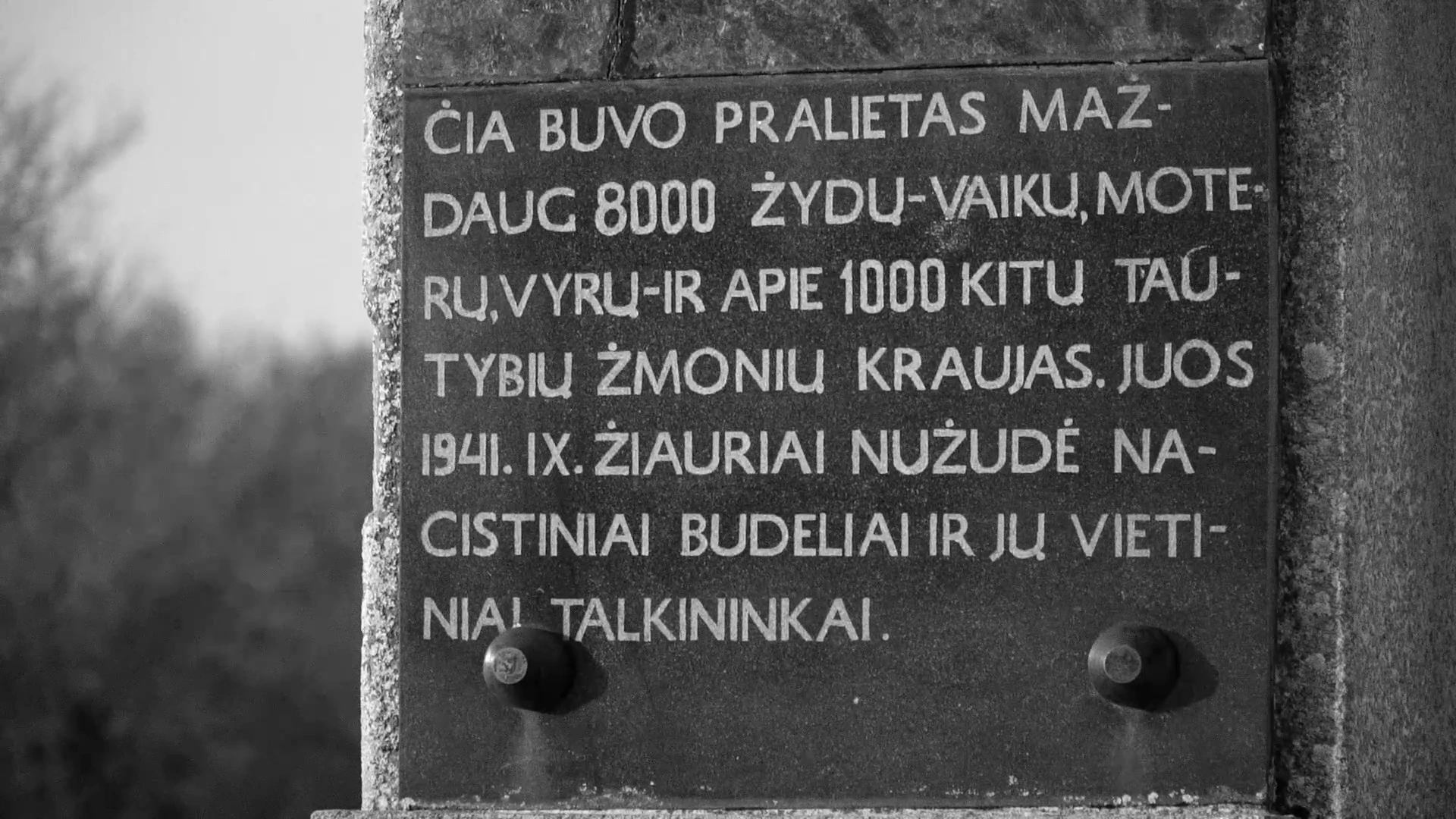
This part of Lithuania’s history concerns the Holocaust under Nazi occupation. German forces and their Lithuanian collaborators carried out mass murder, destroying Jewish communities across the country. The US Holocaust Memorial Museum documents this history. Read the USHMM account.
The memorial images are presented here in that context. The Soviet deportations and the Holocaust were distinct crimes, with different perpetrators, policies and experiences. The film’s personal accounts move through a landscape marked by both.
The journey home
Return and remembrance
Coming home
could take a lifetime.
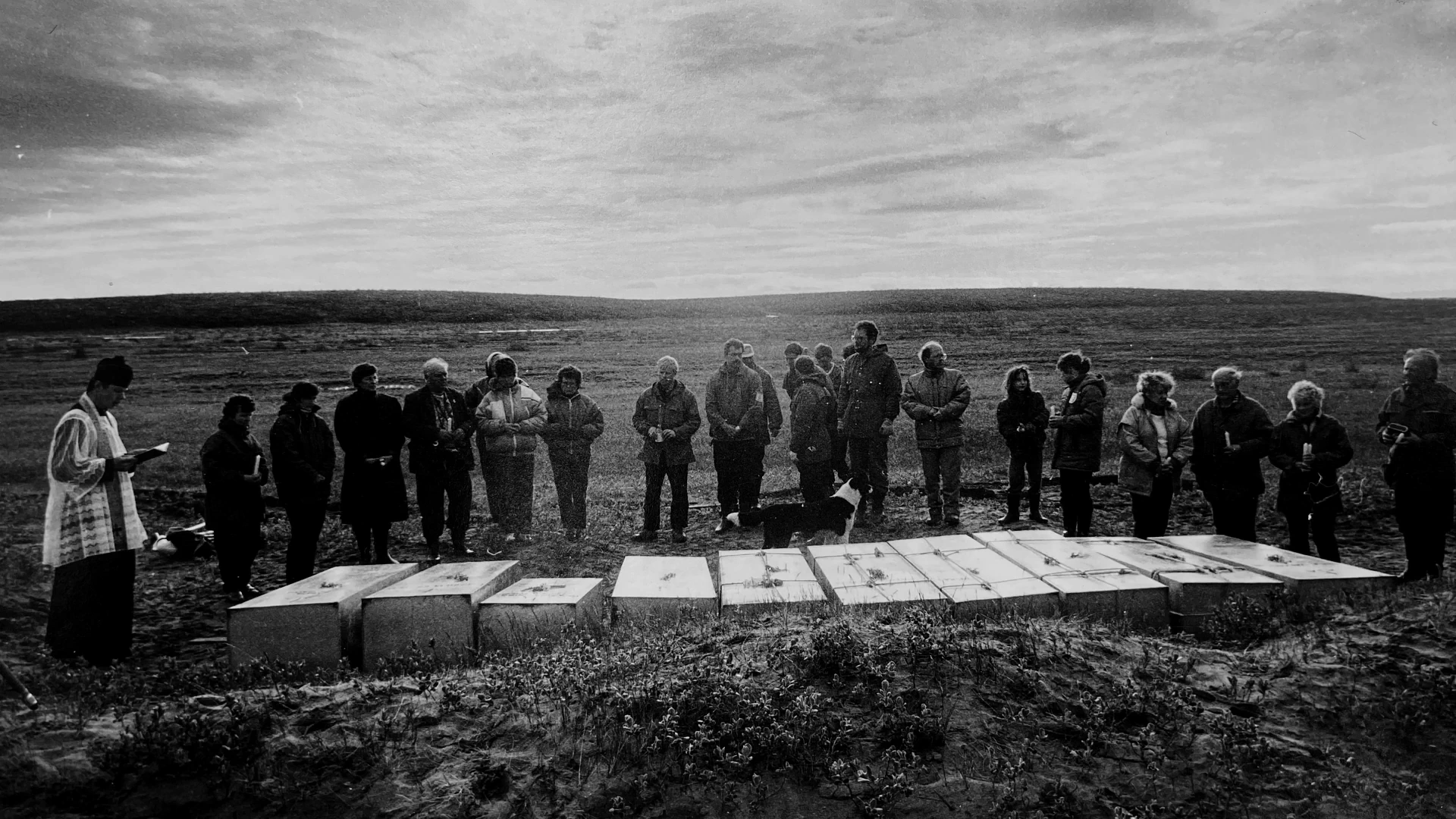
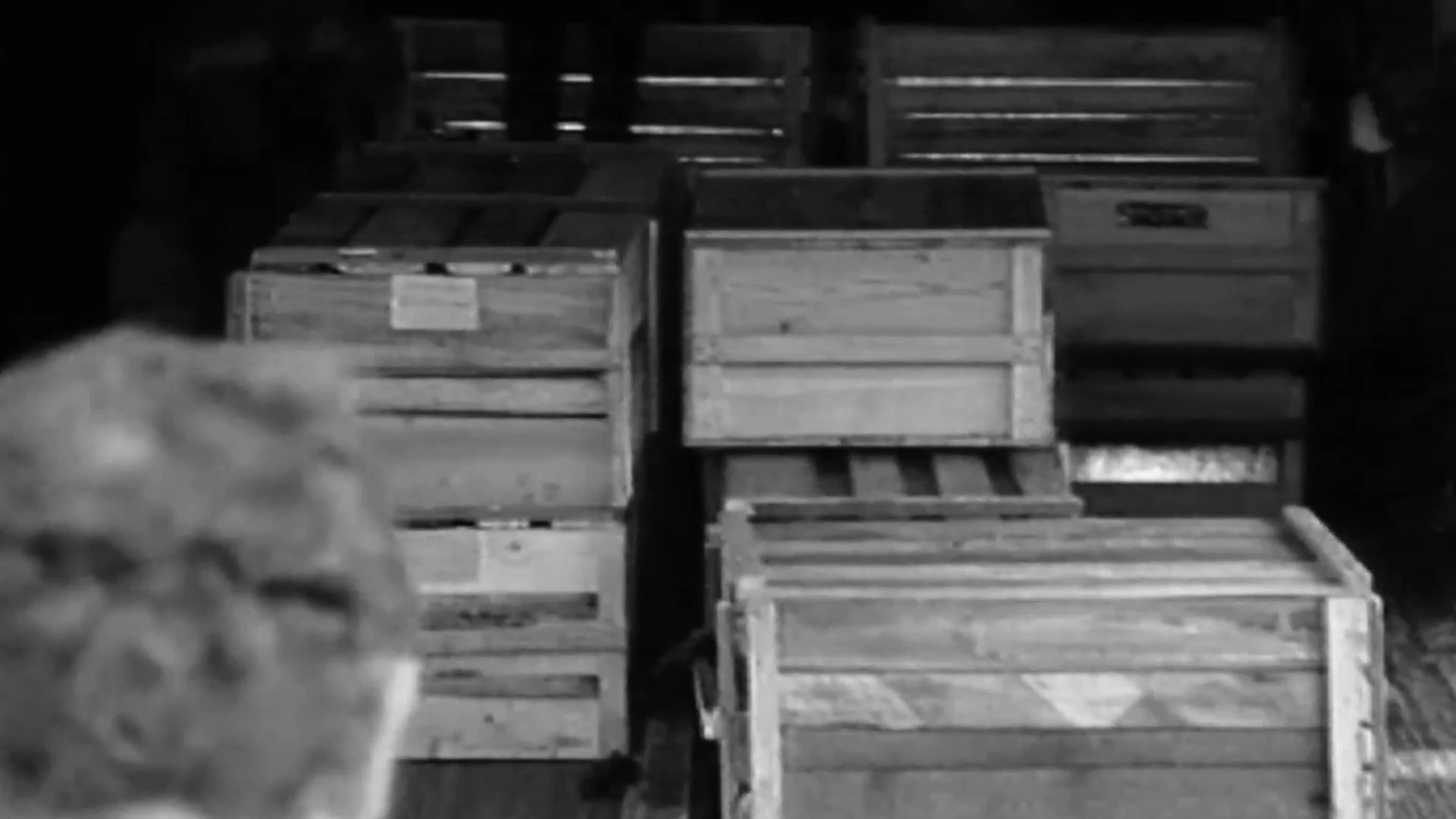
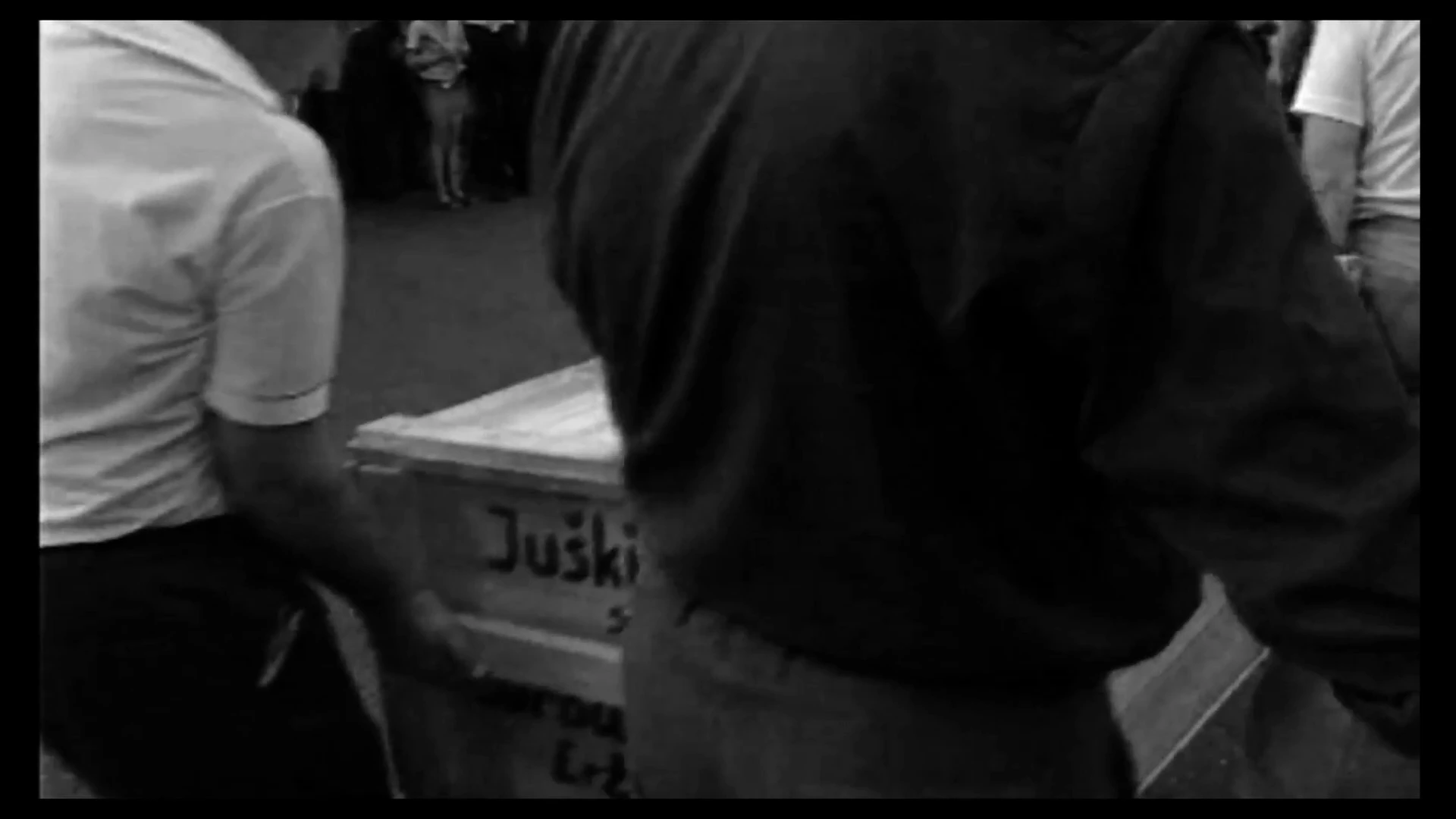
For those who survived, return was not the end of the story. The film also follows the effort to bring home people who had died far from Lithuania. In the airport sequence, caskets are unloaded from an aircraft while relatives gather nearby.
The scene gives another meaning to the word “return”. It is a family’s act of remembrance, a public gathering and an encounter with an absence carried for years. The embrace of a relative and the hand of a child hold the emotional weight of that moment.
These frames come from the archival sequence presented in MONUMENT.
What remains
A landscape
holds a memory.
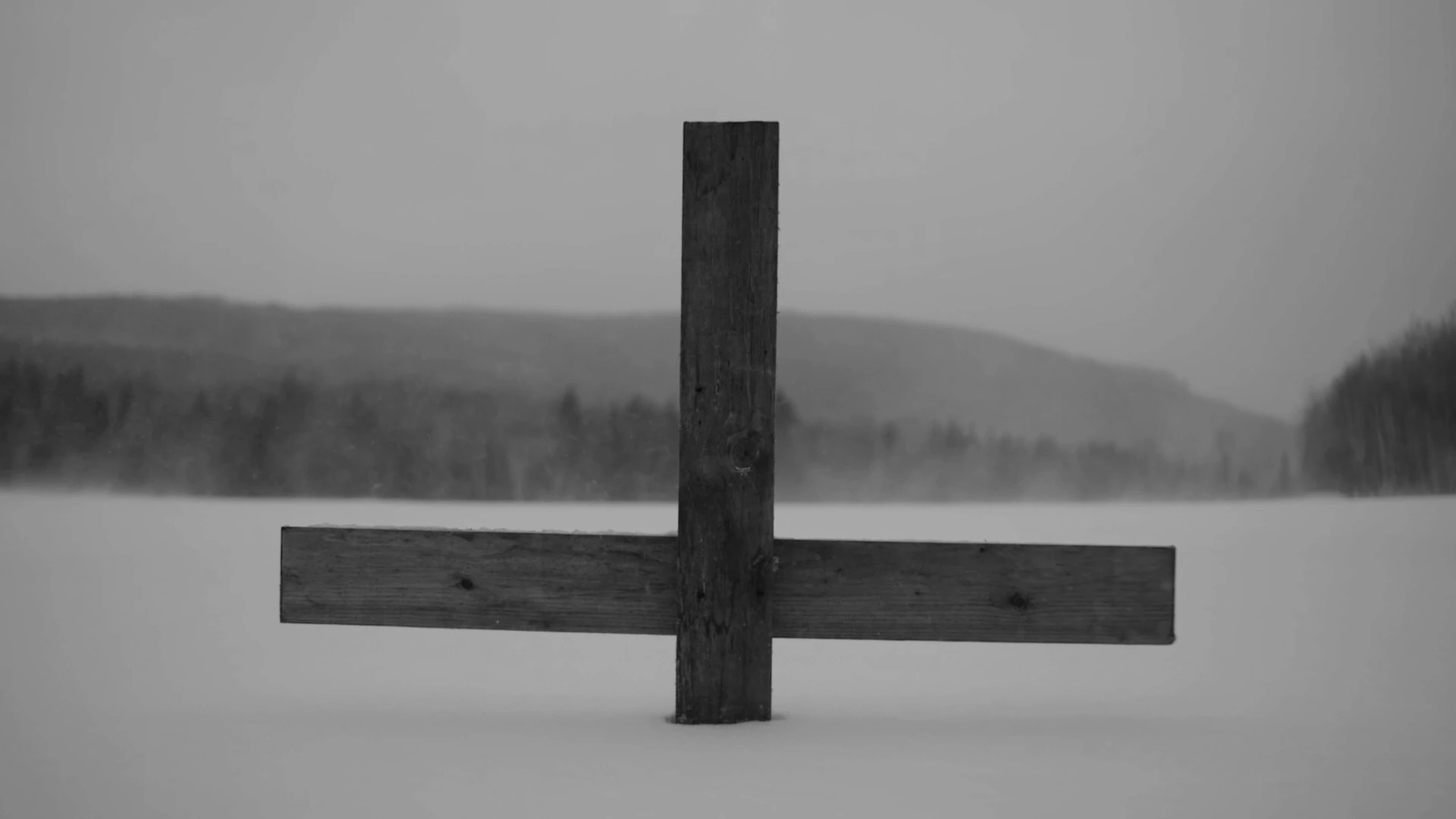
A cross rises from the snow. Its simple shape interrupts the broad, quiet landscape. In the film, images like this give the spoken memories space to settle, keeping the relationship between a person and a place in view.
The moments between memories
There is room
for tenderness.
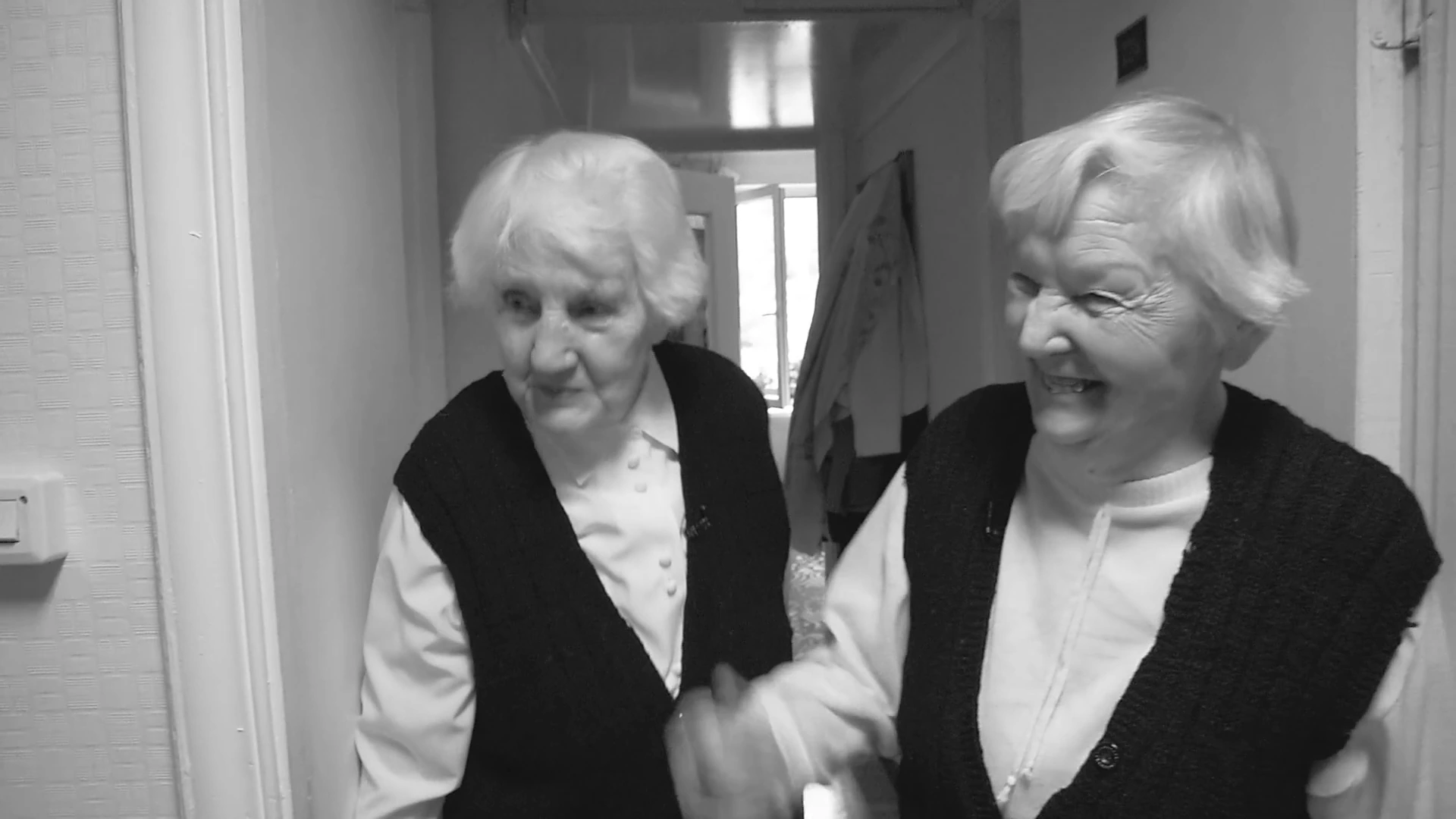
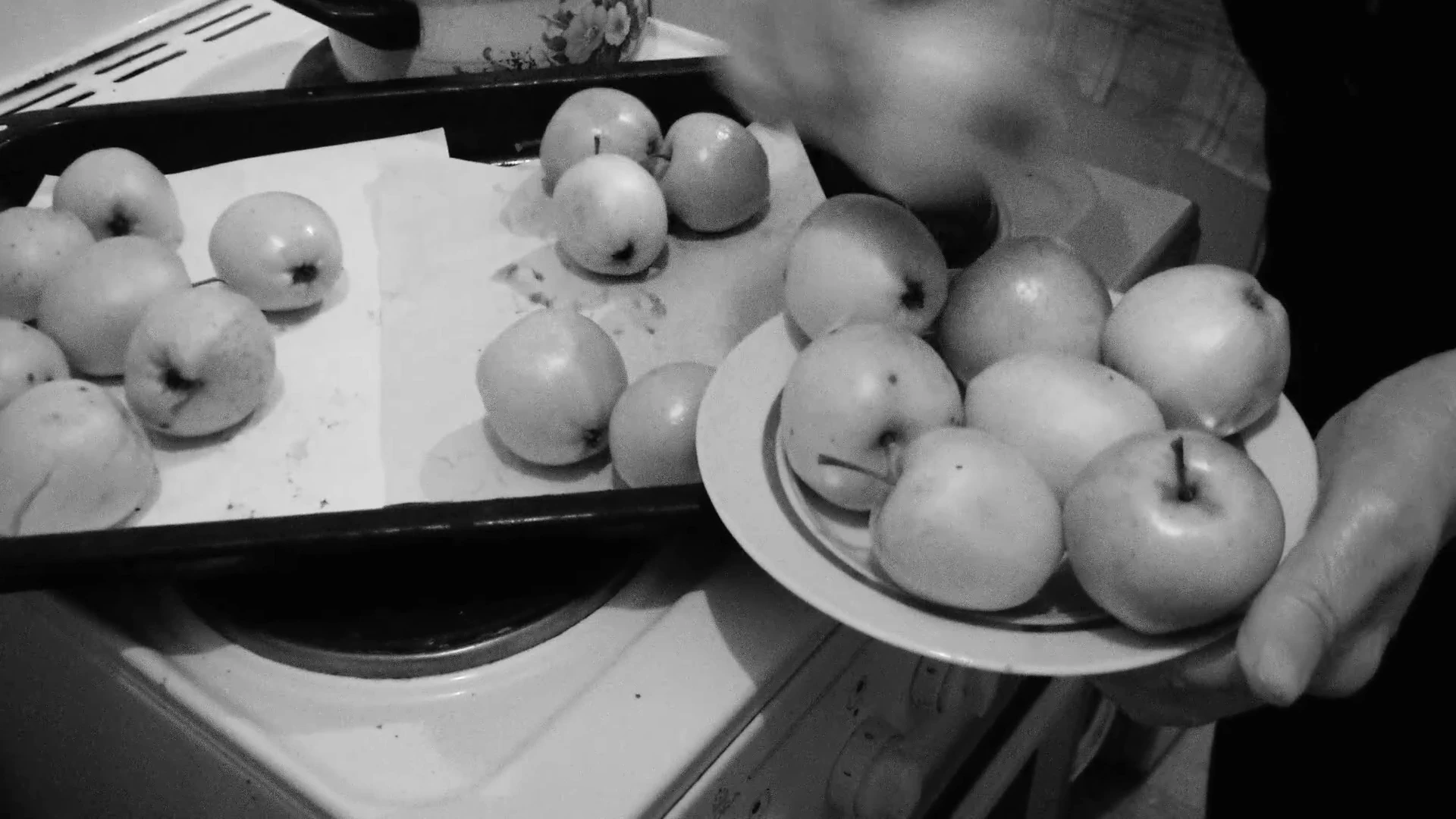
The film also makes room for ordinary gestures: two women laughing together, a plate of apples, an invitation to share what is on the table. These moments let the people on screen be present in the fullness of their lives.
A history of suffering is also a history of relationships. Friendship, hospitality and humour belong beside testimony, rather than disappearing behind it. MONUMENT holds these different registers together — the beautiful moments and the difficult ones.
Discover the FilmSources & image credits
Historical summaries draw on the following institutional sources. Descriptions of the film’s scenes refer to MONUMENT.
International Commission — The liquidation of the Lithuanian Army, 1940–1941.
International Commission — Deportations of 14–18 June 1941 (conclusions approved 2003).
International Commission — Deportations of the Population in 1944–1953 (conclusions approved 2005).
United States Holocaust Memorial Museum — Lithuania.
Seimas of the Republic of Lithuania — 11 March: Restoration of Independence.
Seimas — Lithuanian Parliamentary Mirror, January 1991 remembrance.
Images: selected frames from MONUMENT, a film by Bonnie Andrukaitis. Archival sequences are identified in their captions.
Stay connected
Follow MONUMENT
Stay close to the film, its stories and the people bringing it to new audiences.
MONUMENT
A film by Bonnie Andrukaitis